

The Bedside Glass Cup: Why the Quietest Object in Your Bedroom Deserves More Attention
The most intimate object in the bedroom is not always the bed.
Sometimes it is the glass of water beside it.
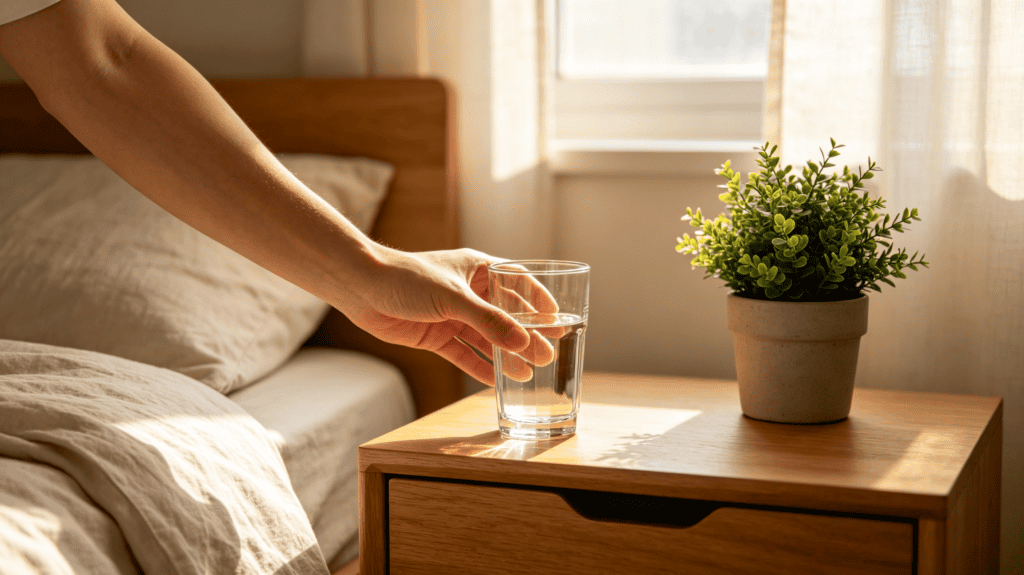
Not the oversized bottle you carry to the gym. Not the mug you forgot from yesterday’s tea. Not a plastic cup grabbed in a hurry. A simple glass cup on the nightstand has a different presence. It catches the last low light from a lamp. It reflects the shape of a book, a candle, or a folded pair of glasses. It makes the room feel more considered, even if the rest of the day was not.
This may sound like a small detail, but small details are exactly where bedroom design is heading. Recent sleep and wellness trend discussions have been shifting away from constant optimization and tracking, and more toward sleep environments, calming routines, and simple rituals. The Global Wellness Institute has described a broader sleep trend moving “from habits to environments” and toward more intentional, simplified approaches to rest.
That makes the bedside glass cup surprisingly relevant.
It is not a gadget. It does not track anything. It does not ask for attention. It simply sits there, useful and quiet, reminding you that the bedroom should support the body without overstimulating the mind.
Bedside Glass Cup Ideas for a Calmer Bedroom
A bedside glass cup matters because it combines three things most bedroom objects rarely achieve:
|
Function |
Why It Matters |
|
Practical use |
Keeps water nearby during the night or early morning |
|
Visual calm |
Adds reflection, clarity, and lightness to the nightstand |
|
Ritual value |
Helps signal that the day is slowing down |
A good bedside glass cup should feel stable, comfortable, clean, and visually quiet. It should not dominate the nightstand. It should not look like kitchen clutter. It should feel like it belongs beside a lamp, a book, a small tray, or a pair of reading glasses.
The goal is not to turn your bedroom into a hotel room. It is to make one ordinary nightly habit feel more intentional.
Why the Bedroom Is Becoming a Wellness Space
Bedrooms are no longer being treated only as places to sleep. They are becoming recovery spaces, low-stimulation rooms, and small personal retreats.
This does not mean filling the room with expensive wellness products. In fact, many sleep experts still come back to the basics: darkness, quiet, comfort, and temperature. The CDC’s sleep-environment guidance notes that a good sleep environment is very dark, quiet, cool, and comfortable. The National Sleep Foundation gives similar practical advice, including keeping the bedroom quiet and dark and using comfortable bedding.
Where does a glass cup fit into this?
It belongs to the “environment” side of the conversation. A bedside glass is not going to solve sleep problems. It should never be presented as a medical solution. But it can support a calmer room because it removes one small friction point: the need to get up for water, the visual clutter of random cups, or the feeling that the nightstand is simply a dumping ground.
A bedroom designed for rest is not only about what you remove. It is also about what you choose to keep.
Why Glass Feels Better Than Plastic on the Nightstand
Plastic cups are convenient, but they often make a bedroom feel temporary. They bend, cloud, scratch, and can visually cheapen a nightstand. A glass cup feels different because it has weight, clarity, and stillness.
Glass also interacts beautifully with bedroom lighting. Under a warm bedside lamp, a clear glass cup reflects amber tones. In morning light, it feels fresh and clean. On a marble, wood, or painted nightstand, it adds a small transparent layer rather than a heavy decorative object.
This is why glass works especially well in bedrooms with:
- warm minimalist styling
- soft neutral bedding
- natural wood furniture
- European-inspired interiors
- quiet luxury details
- vintage lamps or trays
- small-space nightstands
A glass cup does not demand attention. It improves the objects around it.
What Most People Get Wrong
Most people choose a bedside cup casually. They use whatever is nearby. The result is often a nightstand that looks inconsistent: a random mug, a sports bottle, a plastic cup, a medicine bottle, a phone charger, and a pile of receipts.
The glass cup is small, but it can visually organize the whole surface.
The mistake is thinking the bedside cup does not matter because it is “just for water.” In reality, anything placed beside the bed becomes part of your last visual impression before sleep and your first impression in the morning.
A better bedside glass cup should have:
|
Feature |
Why It Matters |
|
A stable base |
Reduces the chance of tipping at night |
|
Moderate height |
Easier to reach without knocking over |
|
Smooth rim |
More comfortable for small sips |
|
Clear glass |
Looks clean and light |
|
Easy-to-clean shape |
Prevents buildup and cloudiness |
|
Comfortable weight |
Feels calm and grounded in the hand |
|
Simple silhouette |
Works with many bedroom styles |
Avoid very tall, narrow glasses beside the bed. They can feel elegant on a dining table but unstable on a small nightstand. Avoid overly delicate glass if you often reach for water in the dark. Avoid novelty cups that make the bedroom feel visually busy.
The best bedside glass cup is beautiful, but not distracting.
A Practical Comparison: Which Glass Cup Works Best?
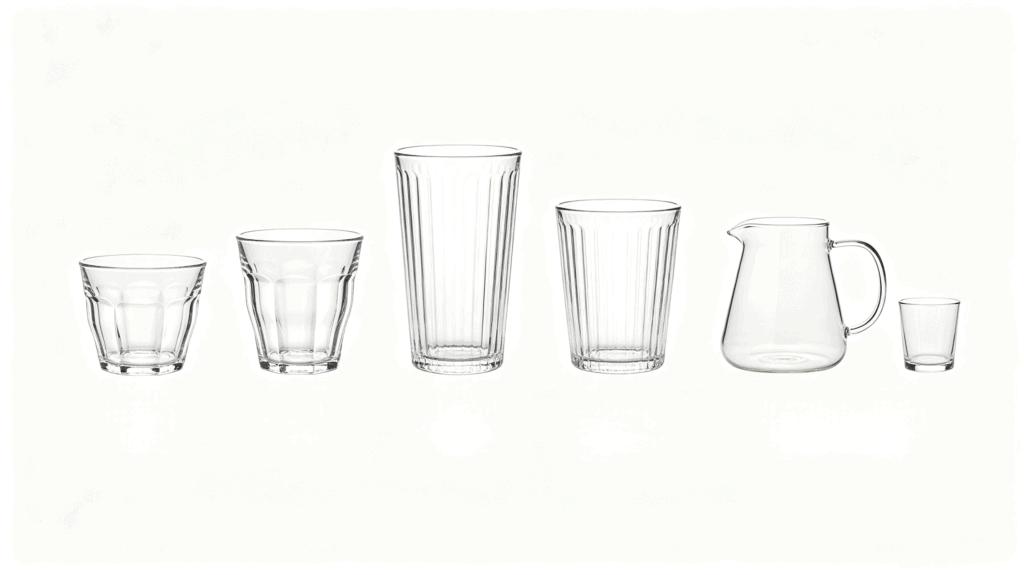
Not every glass cup belongs beside the bed. Shape matters.
|
Glass Cup Type |
Best For |
Bedroom Suitability |
|
Short tumbler |
Nightstand water, morning sip |
Excellent |
|
Medium glass cup |
Everyday bedside use |
Excellent |
|
Tall highball glass |
Larger water serving |
Good, but may tip more easily |
|
Stemmed glass |
Decorative bedroom styling |
Less practical |
|
Ribbed glass cup |
Texture and grip |
Very good |
|
Heavy-bottom glass |
Stability |
Very good |
|
Double-wall glass |
Visual lightness |
Good, but verify care instructions |
|
Mug-style glass cup |
Herbal tea or warm drinks |
Only if heat use is verified |
A bedside glass cup should be chosen for reach, stability, and mood.
The Nightstand Styling Formula
The simplest nightstand formula is:
lamp + glass cup + book + one soft object
That soft object might be a linen coaster, a small tray, a ceramic dish, or a folded eye mask. The point is to prevent the glass from looking accidental.
Here are a few styling ideas:
|
Bedroom Style |
Glass Cup Choice |
Styling Detail |
|
Warm minimalist |
Smooth clear glass cup |
Pair with wood tray and linen coaster |
|
Vintage European |
Ribbed glass tumbler |
Add brass lamp and small book stack |
|
Hotel-inspired |
Heavy-bottom glass |
Place on marble tray with carafe |
|
Soft romantic |
Lightly colored glass |
Pair with flowers or a fabric lampshade |
|
Modern compact |
Short clear tumbler |
Keep surface almost empty |
|
Natural organic |
Slightly rounded glass cup |
Pair with ceramic dish and woven texture |
The secret is restraint. A nightstand does not need many objects. It needs the right few objects.
The glass cup should look like part of a ritual, not part of a mess.

Should You Keep Water Beside the Bed?
Many people like having water nearby at night, especially if they wake up thirsty, take medication as instructed by a doctor, sleep in a dry room, or prefer a small sip before getting out of bed.
At the same time, drinking too much liquid right before sleep may lead some people to wake up for the bathroom. Hydration needs vary depending on body size, activity, climate, diet, health status, and other factors. Mayo Clinic notes that total daily fluid needs vary and include fluids from water, other drinks, and food.
So the practical advice is simple: use the bedside glass cup for convenience, not overconsumption.
A small glass of water beside the bed is useful. A giant container that encourages late-night overdrinking may not be.
This is another reason a moderate glass cup works well. It feels intentional and controlled.
The Case for a Bedside Glass and Carafe
For readers who like a more hotel-inspired bedroom, a glass cup and small carafe set can be a beautiful upgrade.
A carafe protects the water from dust better than an open glass alone. It also makes the nightstand feel composed, especially in a guest room. The silhouette can be elegant without feeling formal.
A bedside carafe set works especially well for:
- guest bedrooms
- reading corners
- master bedrooms with larger nightstands
- hotel-inspired styling
- minimalist homes where every object must earn its place
The cup still matters. It should be easy to lift, comfortable to sip from, and proportionate to the carafe.

Care and Cleanliness
A bedside glass cup needs daily attention because it is used in a personal space.
Water can leave mineral spots. Dust can settle. Lip balm, skincare, or hand cream can leave subtle marks on the rim. If the cup sits for too long, it stops feeling fresh.
A simple routine helps:
|
Care Step |
Why It Helps |
|
Refresh water daily |
Keeps the glass feeling clean and intentional |
|
Wash regularly |
Removes residue from lips, hands, and dust |
|
Dry with a soft cloth |
Helps prevent water spots |
|
Use a coaster or tray |
Protects wood and painted nightstands |
|
Avoid clutter around the glass |
Reduces accidental tipping |
|
Retire chipped glasses |
Protects comfort and safety |
Do not assume a glass cup is dishwasher-safe, microwave-safe, or suitable for hot drinks unless the specific product information confirms it. This is especially important for brand content. Material and care claims should always match verified product specifications.
Common Mistakes to Avoid
Mistake 1: Using a cup that is too tall
Tall glasses can be beautiful, but they are easier to knock over when you are tired or reaching in the dark.
Mistake 2: Letting the glass sit for days
A bedside glass should feel fresh. Replace the water and wash the cup regularly.
Mistake 3: Choosing a decorative glass that is not comfortable
A cup can look beautiful and still feel awkward. The rim, weight, and grip matter.
Mistake 4: Overloading the nightstand
A glass cup looks best when it has breathing room. Too many objects make even beautiful glassware look like clutter.
Mistake 5: Making unsupported safety claims
Avoid saying a glass cup is heat-resistant, lead-free, dishwasher-safe, or borosilicate unless confirmed for that exact product.
What to Buy, What to Skip
Buy: A short or medium glass cup
This is the most practical choice for the nightstand. It is easy to reach, easy to clean, and less likely to tip.
Buy: A glass with a comfortable rim
The bedside cup is often used when you are half-awake. Comfort matters.
Buy: A stable base
A heavier base adds confidence, especially on small nightstands.
Buy: Clear or softly textured glass
Clear glass feels clean and calm. Ribbed glass adds grip and subtle reflection.
Skip: Oversized hydration bottles on the nightstand
They may be useful during the day, but visually they can make the bedroom feel less restful.
Skip: Fragile or overly thin glass
A bedside glass should not feel stressful to use.
Skip: Busy colors or novelty shapes
The bedroom usually benefits from calmer visual choices.
Putting It All Together
The bedside glass cup is quiet, but it is not insignificant.
It changes the nightstand from a storage surface into a small ritual space. It makes water feel fresh instead of forgotten. It adds reflection without visual weight. It supports the growing desire for bedrooms that feel calmer, simpler, and more personally considered.
In a world of sleep trackers, wellness hacks, and complicated routines, a glass cup is refreshingly low-tech.
It does one thing well.
It waits beside you, clear and steady, ready for the moment you need it.
FAQ
What is the best glass cup for a bedside table?
A short or medium glass cup with a stable base, smooth rim, and comfortable weight is usually best. It should be easy to reach, easy to clean, and not too tall.
Is a glass cup better than a plastic cup for the bedroom?
For most bedroom settings, glass looks calmer and feels more refined than plastic. It also reflects light beautifully and makes the nightstand feel more intentional.
Should I keep water beside my bed every night?
Many people find it convenient, but it depends on personal habits. A small glass of water can be useful, while drinking too much liquid right before bed may disturb sleep for some people.
How do I style a glass cup on a nightstand?
Pair it with a coaster or tray, a warm lamp, and one or two calming objects such as a book or small ceramic dish. Keep the surface uncluttered.
Can I use any glass cup for hot tea before bed?
Only use a glass cup for hot drinks if the product information confirms it is suitable for heat. Do not assume all glass cups are heat-resistant.
How often should I wash a bedside glass cup?
Ideally, refresh the water daily and wash the glass regularly. This keeps it clean, clear, and pleasant to use.