

Vintage glassware has a particular kind of charm. It can make a table look collected instead of purchased, romantic instead of overly styled, and personal instead of plain. But the flea market version of the story is not always realistic. Not everyone has time to hunt through antique stores, compare maker’s marks, worry about chips, or wonder whether a beautiful old decanter is actually safe for serving drinks.
The good news is that you can get the vintage glassware look without relying only on true antiques. Modern vintage-inspired glass cups, goblets, tumblers, and serving pieces can bring the same visual language – color, texture, cut patterns, curves, and reflection – while fitting better into everyday routines.
What Makes Glassware Look Vintage?
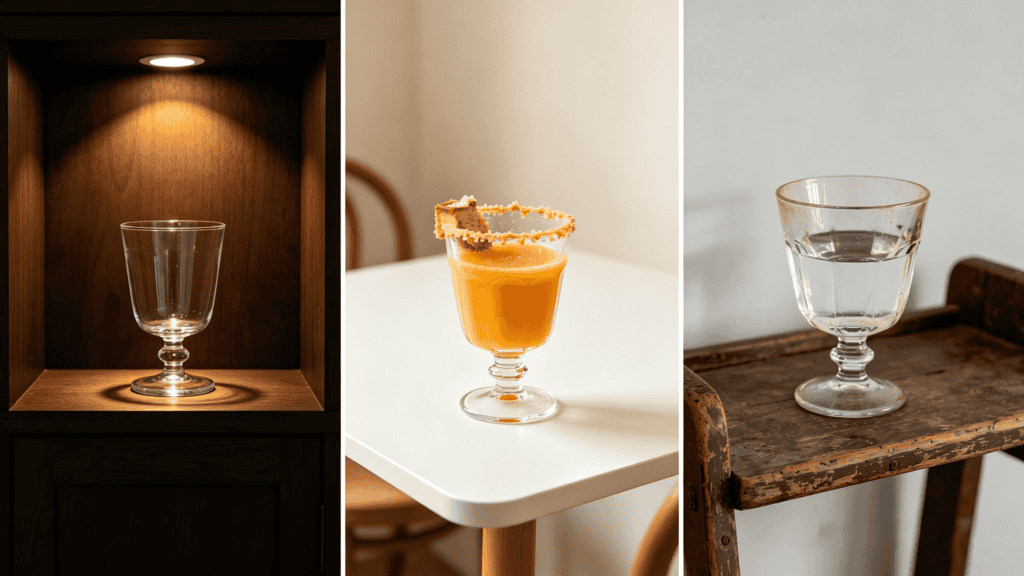
Vintage glassware is not one single style. It can be delicate etched crystal, chunky pressed glass, amber tumblers, smoke gray coupes, green goblets, hobnail texture, ribbed sides, faceted bowls, scalloped rims, or ornate cut patterns. What ties these pieces together is visual character. They catch light in a way that plain smooth glass does not.
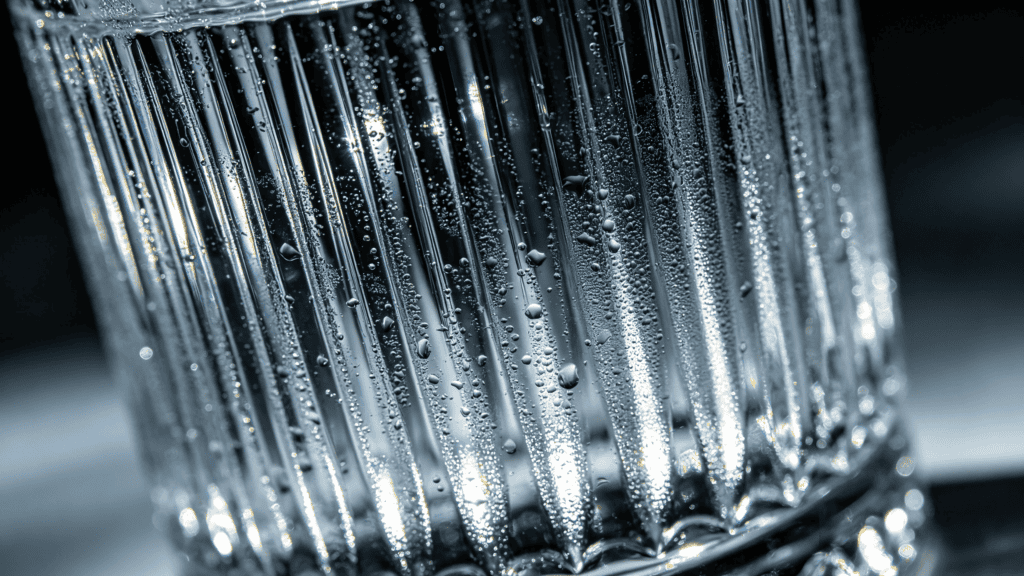
Texture is the easiest cue. Ribbing, fluting, vertical lines, diamond cuts, and raised patterns create small shadows that make even water look more interesting. Color is another cue. Amber, rose, green, blue, smoke, and clear glass with a faint gray cast can all suggest a vintage mood. Shape matters too. A footed goblet feels nostalgic because it creates height and ceremony, while a low tumbler with a heavy base feels more old-bar than modern cafe.
The goal is not to recreate a museum table. The goal is to borrow the warmth and detail of older glassware while keeping the setup usable.
Why Shoppers Want the Vintage Look Now
After years of minimalist tables and plain drinkware, many people want objects with more personality. A vintage-inspired glass can make a simple dinner look layered. It can turn a mocktail, iced tea, or sparkling water into something worth placing in a photo. It can also make a small apartment feel more decorated without adding bulky decor.
This is why vintage glassware is useful for VitraDecoration content. It connects drinkware to interior style. A cup is no longer only a container. It becomes a small reflective object on the table, bar cart, shelf, nightstand, or coffee table. The same glass can serve iced coffee in the morning, fruit water in the afternoon, and a candlelit drink in the evening.
Actual Vintage vs. Vintage-Inspired Glassware
True vintage pieces can be beautiful, but they come with practical questions. Are there chips on the rim? Is the pattern still easy to clean? Was the glass made with lead crystal? Is the decorative coating food-safe? Are the shapes consistent enough for a set? A modern vintage-inspired piece may not have the same history, but it can be easier to buy in matching quantities, style for content, and use in everyday routines.
Neither option is automatically better. The right choice depends on how the customer plans to use it.
Comparison: Actual Vintage vs. Vintage-Inspired Glassware
Option | What Works | What to Watch | Best For |
True vintage glassware | Unique pieces, patina, collector appeal, interesting color and pattern | Possible chips, inconsistent sizing, unknown composition, harder replacement | Decorative styling, occasional serving, collectors, one-of-a-kind table settings |
Vintage-inspired modern glassware | Consistent sets, easier product information, updated shapes, repeatable styling | Less history, may not satisfy collectors looking for originals | Everyday drinks, ecommerce sets, gifting, restaurants, home styling |
Modern minimal glassware | Simple, flexible, easy to mix, often visually quiet | Can look flat in photos or less expressive on a decorated table | Minimal homes, product-neutral settings, functional daily use |
Mixed table approach | Feels collected, personal, layered, and less formal | Requires some color and height control to avoid clutter | Dinner parties, cake picnics, home bars, editorial photography |
Safety Notes: Lead Crystal, Unknown Coatings, and Old Decorations
One reason vintage glassware needs careful wording is that older pieces may have unknown materials. Lead crystal is the most familiar example. Health Canada notes that lead crystalware can transfer lead into food or beverages, and the risk increases when acidic drinks or alcohol are stored in it for longer periods. This does not mean every old glass is unsafe, but it does mean a vintage decanter or crystal vessel should not be treated casually as long-term drink storage.
For consumers, the safest advice is practical: avoid using unknown vintage crystal for storing wine, spirits, juice, vinegar-based drinks, citrus drinks, or other acidic liquids. Do not use chipped glass for serving. Be cautious with old painted, metallic, or decorative surfaces that touch food or drink. When in doubt, use vintage pieces for display, flowers, or dry styling, and use verified modern drinkware for beverages.
How to Get the Vintage Look With Modern Pieces
Start with one vintage cue rather than all of them. A ribbed clear tumbler is more versatile than an ornate amber goblet if the customer wants everyday use. A green footed glass can be a beautiful accent, but a full table of green, gold, floral plates, and patterned napkins may feel too theatrical for daily life.
Choose a shape based on the drink. Low textured tumblers work for iced coffee, old fashioned-style mocktails, and fruit water. Tall ribbed glasses work for spritzes, iced tea, and soda. Stemless goblets work for lemonade, wine alternatives, and dinner-table water. Footed coupes are best for styled desserts, celebratory drinks, or small cocktails and mocktails.
Modern vintage-inspired glassware is especially effective in product photography because it creates detail without requiring elaborate props. Place it near fruit, folded linen, wood, ceramic plates, or a small vase. Avoid using too many reflective items together, because glass, silver, mirrors, and glossy surfaces can compete.
Vintage-Style Glassware Cues and How to Use Them
Style Cue | Good Drink Matches | Design Mood | Photo Tip |
Iced coffee, lemonade, sparkling water, iced tea | Modern vintage, cafe, casual entertaining | Use side light to show the shadow lines. | |
Amber or smoke glass | Cold brew, cola mocktails, spiced tea, evening drinks | Warm, retro, autumnal, moody | Pair with cream, walnut, terracotta, or olive tones. |
Green or blue glass | Cucumber water, citrus drinks, botanical mocktails | Fresh, garden, coastal, spring table | Keep surrounding colors simple so the glass stands out. |
Footed goblets | Water, spritz-style drinks, juice, non-alcoholic aperitifs | Collected table, dinner party, vintage romance | Mix with plain plates to avoid over-decoration. |
Cut or pressed patterns | Clear drinks, sparkling drinks, simple cocktails | Classic, formal, old-world detail | Show close-ups so readers can see the pattern. |
Colored small cups | Juice, espresso tonic, dessert drinks, tasting pours | Playful, giftable, compact | Use in groups of two or three for color rhythm. |
How to Mix Vintage-Style Glassware Without Making the Table Look Random
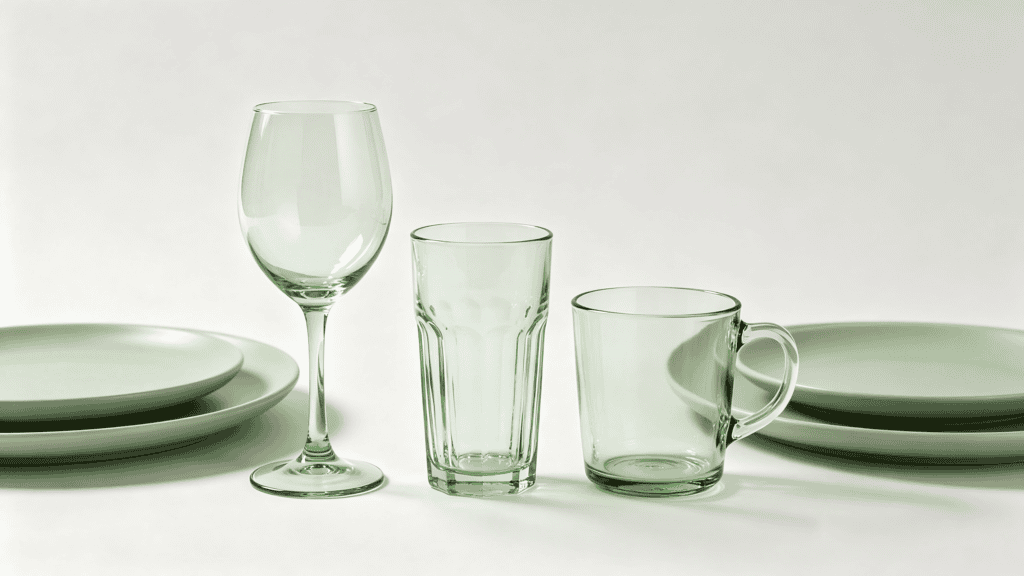
The easiest rule is to repeat one element. You can mix different shapes if the color repeats. You can mix colors if the shape repeats. You can mix patterns if the rest of the table is quiet. Randomness looks messy when every item is different in color, height, material, and mood.
For a dinner table, try clear ribbed water glasses with amber dessert cups. For brunch, use pale green glasses with white plates and one floral napkin. For a home bar, mix low textured tumblers with one or two colored coupes. For a shelf, arrange glassware by height: tallest at the back, smallest at the front, with space between pieces so light can pass through.
Vintage styling works best when the table still has breathing room. Glass is reflective and visually active, so it does not need many accessories. One bowl of citrus, one folded cloth, or one flower stem can be enough.
Care Tips for Vintage-Look Glassware
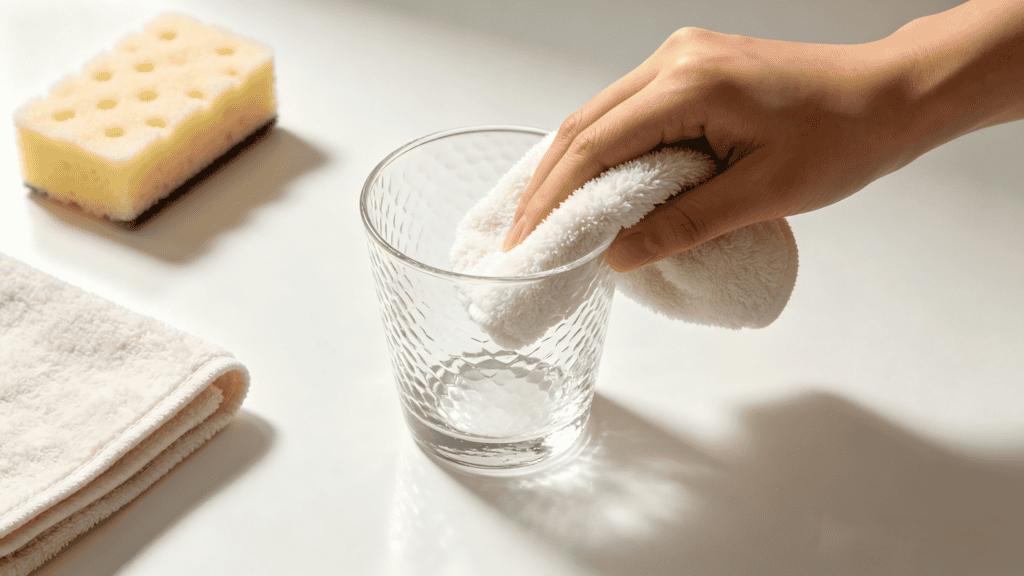
Whether a piece is vintage or modern, handle textured glass with care. Raised patterns can catch dust, fingerprints, and water spots. Wash gently with a soft sponge. Avoid abrasive scrubbers that can dull decorative surfaces. Dry with a lint-free cloth if the glass will be photographed.
If the product is not confirmed dishwasher-safe, hand-washing is the safer recommendation. If the product is colored or decorated, check whether the color is integral to the glass or applied as a coating. This matters because coatings may have different care needs. Do not use strong claims about heat resistance, microwave safety, freezer safety, or thermal shock resistance unless the manufacturer has verified them.
Storage also affects longevity. Leave a little space between glasses so rims do not knock together. Store delicate stemmed pieces upright if rim pressure is a concern. Keep collectible or decorative pieces away from crowded shelves where they may be pulled forward by accident.
Clear Takeaways
Vintage glassware is appealing because it brings personality, color, reflection, and memory into everyday drinking moments. But true vintage pieces can raise questions about chips, composition, lead crystal, coatings, and cleaning. Modern vintage-inspired glassware gives shoppers a practical alternative: the look of collected tableware with easier styling, repeatable sets, and product information that can be verified before publishing.
FAQ
What is vintage glassware?
Vintage glassware usually refers to older glass cups, goblets, coupes, tumblers, or serving pieces with distinctive shapes, colors, textures, or decorative patterns. The phrase is also used for modern pieces designed with vintage-inspired details.
Is vintage glassware safe to drink from?
Some vintage glassware may be safe for occasional serving, but unknown pieces should be treated carefully. Avoid chipped rims, old decorative surfaces that touch drinks, and unknown lead crystal for long-term storage. When in doubt, use verified modern drinkware for beverages.
How can I get the vintage look without buying antiques?
Choose modern glassware with vintage cues such as ribbed texture, fluted sides, colored glass, footed shapes, scalloped details, or pressed patterns. This gives a nostalgic look while making it easier to buy matching sets and verify product details.
Can you mix vintage glassware with modern tableware?
Yes. Repeat one element such as color, shape, or texture so the table feels collected rather than random. Pair ornate glasses with simple plates, or use colored glass as the main accent on a quiet table.
What colors look best for vintage-style glassware?
Amber, green, smoke, rose, blue, and clear ribbed glass are versatile choices. Amber feels warm and retro, green feels garden-like, smoke feels evening-friendly, and clear ribbed glass works in almost any setting.
How should textured glassware be cleaned?
Use a soft sponge and mild dish soap unless the product’s care instructions say otherwise. Dry with a lint-free cloth for a clearer finish, especially before photography.